Author note: I wrote and first published this piece on FXEmpire. This version is republished on my site for my readers.
AI stocks have become one of the biggest forces in global markets. Nvidia, Microsoft, Apple, Amazon, Alphabet, Meta, Broadcom, AMD, Micron, and TSMC now influence broad indexes, growth ETFs, and sector funds all at once.
None of that means AI is a bubble. The demand behind data centers, chips, and cloud infrastructure is real. The risk is simpler: many portfolios are more concentrated than they appear.
AI Exposure Is No Longer Just an AI ETF Problem
A broad S&P 500 ETF, Nasdaq 100 ETF, technology ETF, and semiconductor ETF can look like four separate bets. Under the surface, they often overlap heavily in the same names.
Recent holdings snapshots showed Nvidia around 8% in broad S&P and Nasdaq funds, but above 13% in some technology funds and above 15% in some semiconductor funds. Fund labels differ. Economic exposure often does not.
The Nvidia Example Investors Should Check
A direct 5% Nvidia position can quietly become closer to 14% total exposure once ETF look-through holdings are included. That is not automatically wrong, but it should be intentional.
The same exercise often reveals large hidden overlap in Apple, Microsoft, Amazon, Broadcom, and Micron. In practice, many portfolios own the same AI-linked basket several times.
The Bigger Risk Is the Whole AI-Linked Basket
The harder issue is not one ticker. It is combined exposure to the same mega-cap and semiconductor cluster. Stress-testing that basket with a 20%, 30%, or 40% drawdown usually tells a clearer story than counting funds.
Portfolio names can suggest diversification while correlations remain high when market leadership changes.
High Valuations Raise the Cost of Mistakes
Valuation is not a timing tool, but it affects risk/reward. When expectations are stretched, the market has less room for disappointment.
In this setup, concentrated ownership in expensive leaders can make drawdowns faster and more correlated across portfolios that looked diversified in normal markets.
Leverage Can Accelerate Normal Pullbacks
Margin, options, leveraged ETFs, and single-stock leverage products can increase effective exposure beyond what account balances suggest.
That does not cause every selloff, but in crowded themes it can intensify downside when volatility rises.
Even the Biggest Winners Can Fall Hard
Mega-cap quality does not remove drawdown risk. Recent cycles showed severe drops even in dominant companies. Leadership can persist long term while valuations and positioning still reset sharply.
The base lesson: being right on technology is not enough if exposure and pricing are wrong.
Guardfolio does this monitoring for you — look-through exposure to the top AI names, ETF overlap across your funds, and what happens if the leaders fall together.
What Investors Should Monitor Now
- Total exposure to top underlying stocks, not only top fund tickers
- Combined exposure to AI, semiconductors, cloud, and mega-cap growth
- ETF overlap across broad, Nasdaq, sector, and thematic funds
- Portfolio impact if AI leaders fall together
- Leverage layer: margin, options, and leveraged ETF usage
- Rate sensitivity if long yields rise while multiples compress
The Bottom Line
This is not about avoiding AI. It is about seeing risk clearly before markets force the issue. AI can remain a major opportunity while still creating concentrated exposures that investors underestimate.
Before adding the next AI or tech fund, ask one practical question: Am I adding true diversification, or buying the same exposure with a new label?
First published on FXEmpire: Read the original publication.
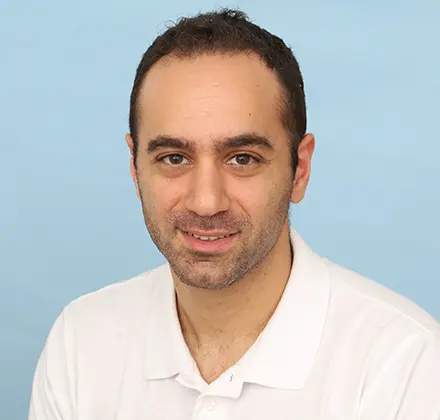
Elad Nahum
17+ years managing portfolios across equities, crypto, and alternatives. 10+ years of programming. Founder of Guardfolio — bringing institutional-grade risk tools to individual investors.
How much AI risk is hiding in your portfolio?
Guardfolio reveals your true look-through exposure to the AI leaders — across funds and accounts — and flags the overlap and concentration the ticker list hides.
More essays like this
Portfolio risk, fintech, AI, and building — straight to your inbox.